Affordable Patios Services
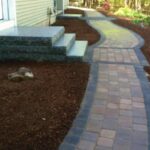
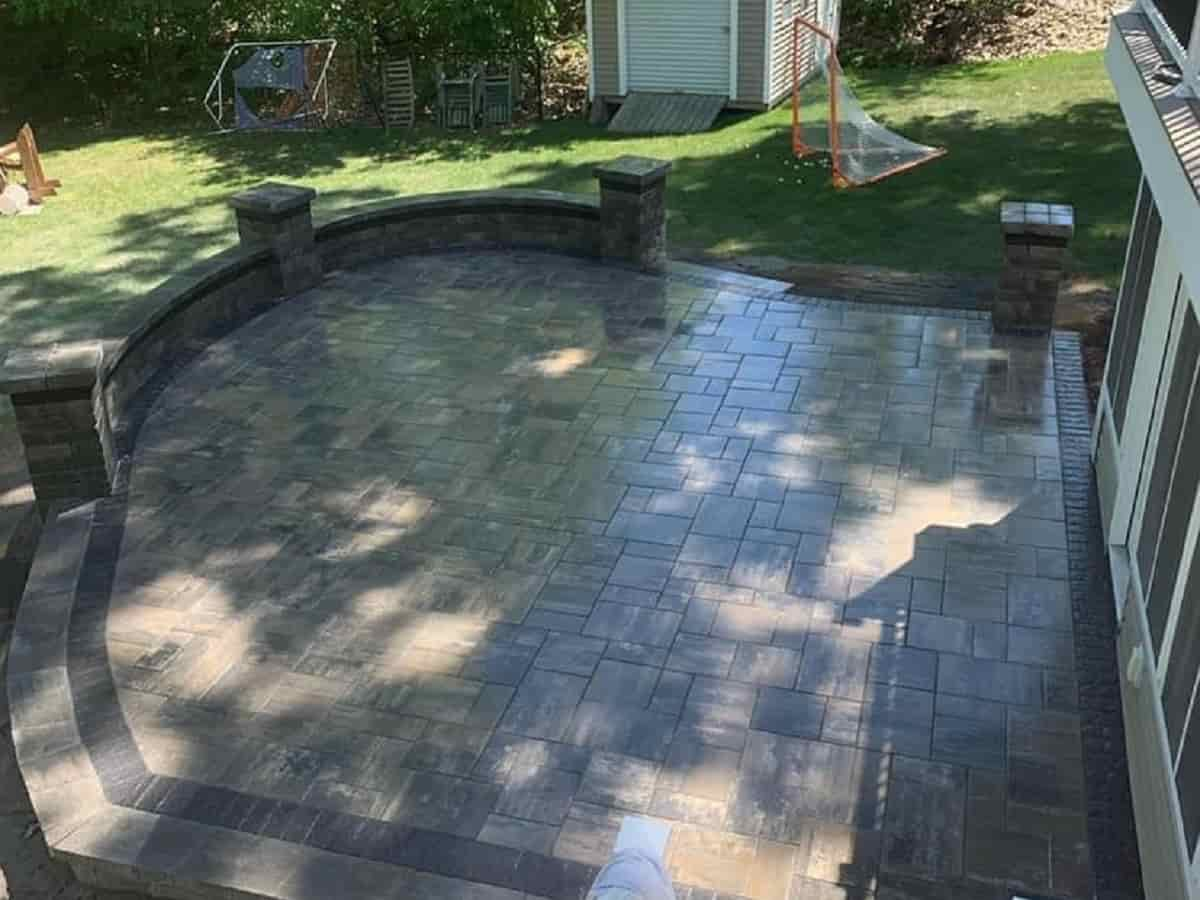
Grounds of Nature Landscaping offers top-quality patios services to residents in the Lynn, MA area. We have a wide range of patio designs to choose from, and we can also work with you to create a custom design that meets your specific needs.
We offer professional and reliable patio services to enhance the outdoor living spaces of residential and commercial properties. A well-designed patio can transform any outdoor area into a beautiful and functional space for relaxation, entertainment, and outdoor activities. Our team of experienced professionals will work with you to create the perfect patio that meets your specific needs and preferences.
We offer a wide range of patio services, including design, installation, repair, and maintenance. Our design team will work closely with you to understand your vision and create a customized patio plan that complements your property’s overall aesthetic and style. We use high-quality materials and innovative techniques to ensure that your patio is not only beautiful but also durable and long-lasting.

Patios Services
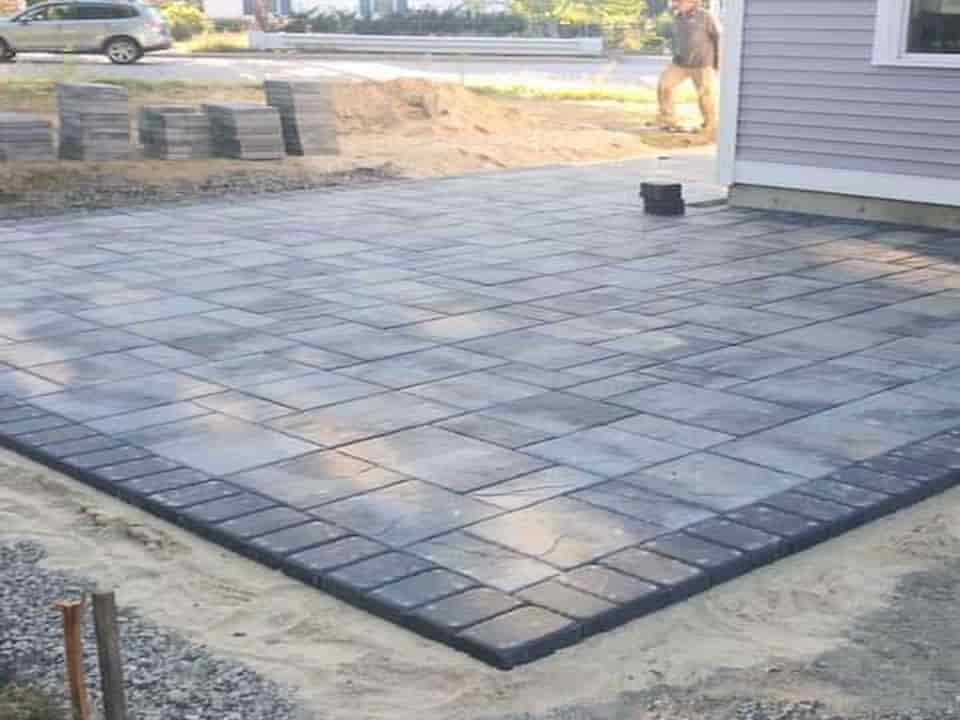
Our patio installation services are performed by our team of skilled and experienced professionals who take great care to ensure that every detail is perfect. We use state-of-the-art equipment and techniques to ensure that your patio is installed efficiently and to the highest standards. Whether you are looking for a small patio or a large, elaborate outdoor living space, we have the expertise to bring your vision to life.
In addition to installation, we also offer patio repair and maintenance services. Over time, patios can become damaged or worn due to exposure to the elements or heavy use. Our team can repair cracks, replace damaged pavers, and perform regular maintenance to keep your patio looking beautiful for years to come.
We are committed to providing the highest quality patio services at competitive prices. Our goal is to create outdoor spaces that our clients can enjoy for years to come. Contact us today to schedule a consultation and see how we can transform your outdoor living space with our professional patio services.