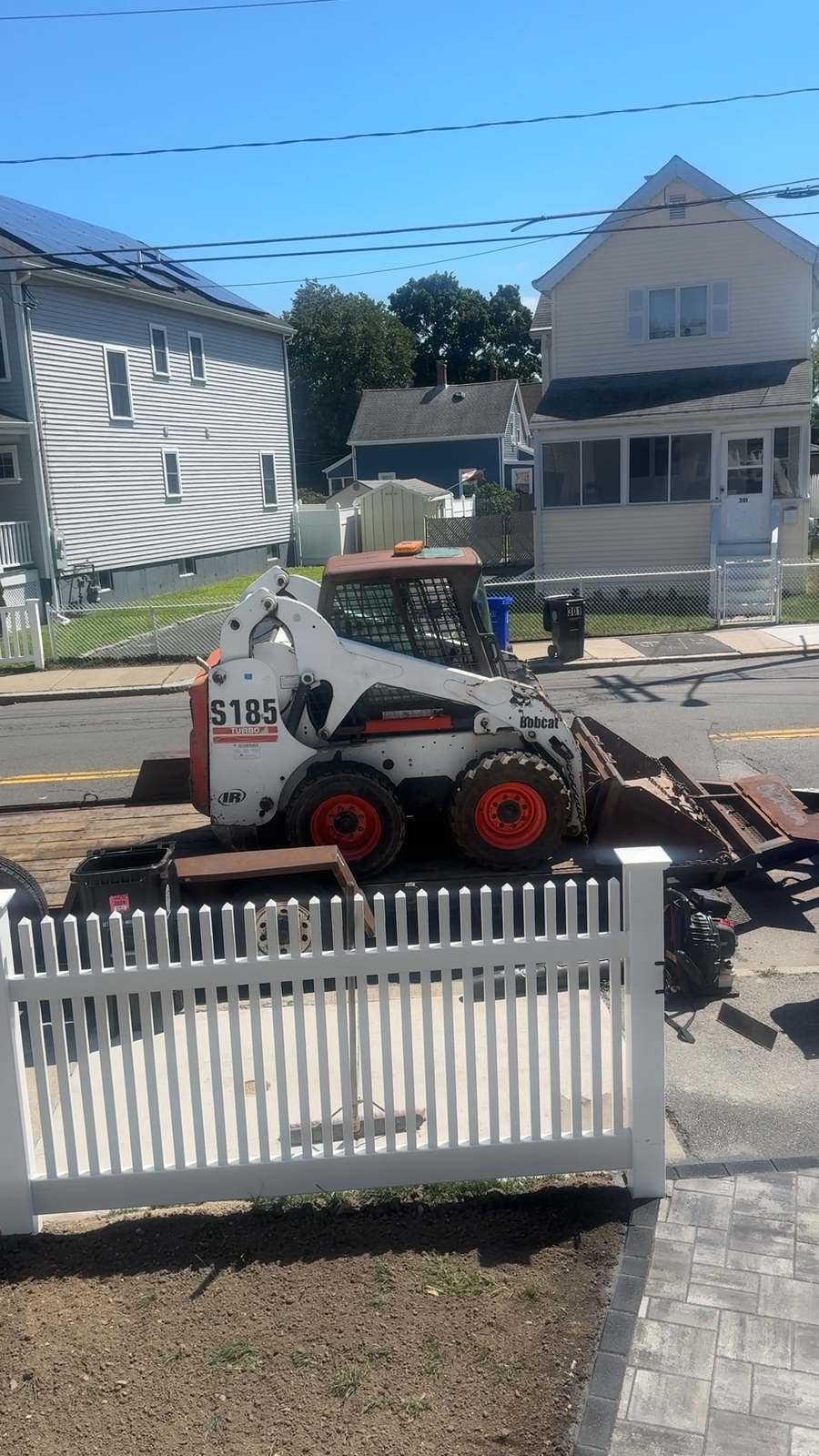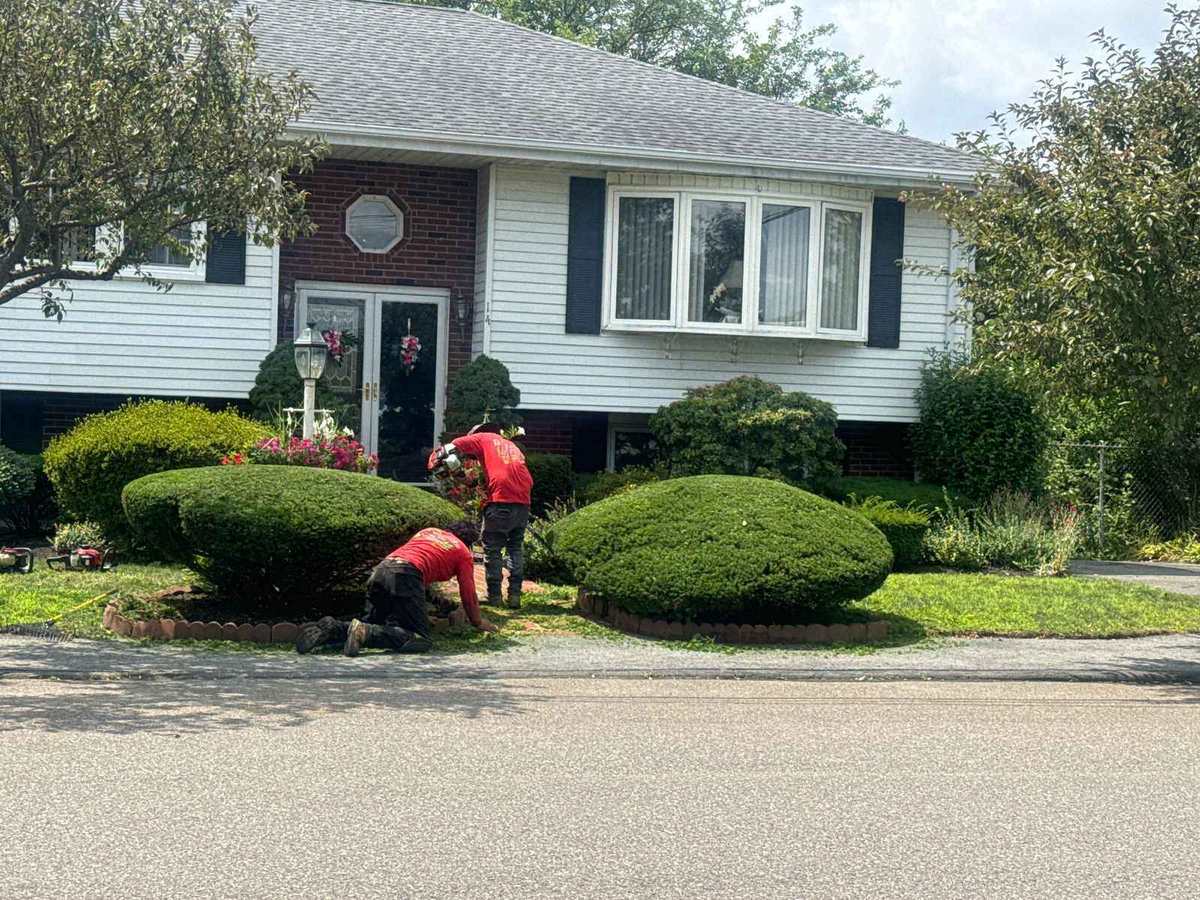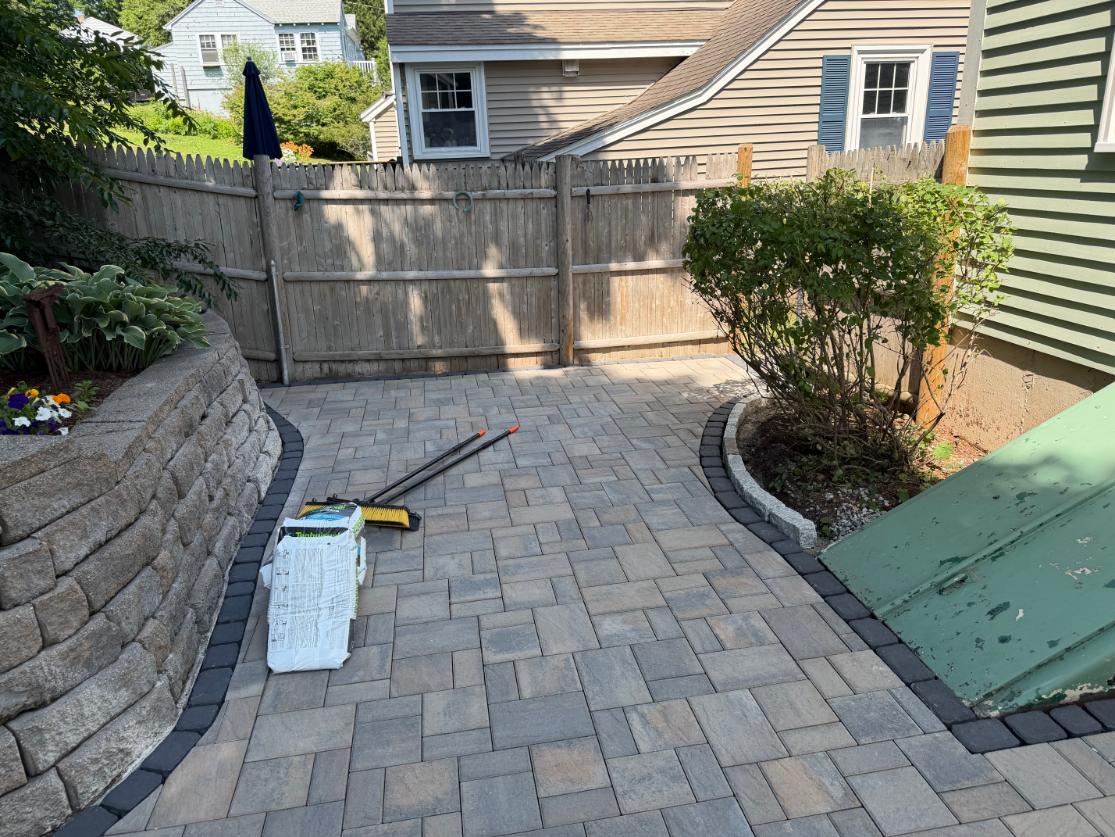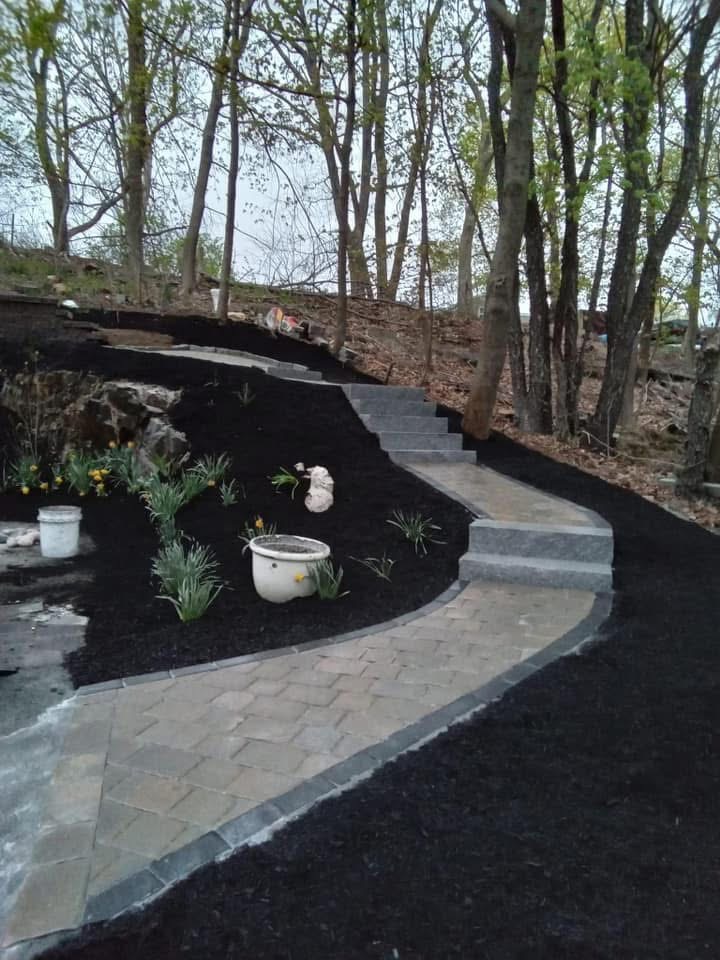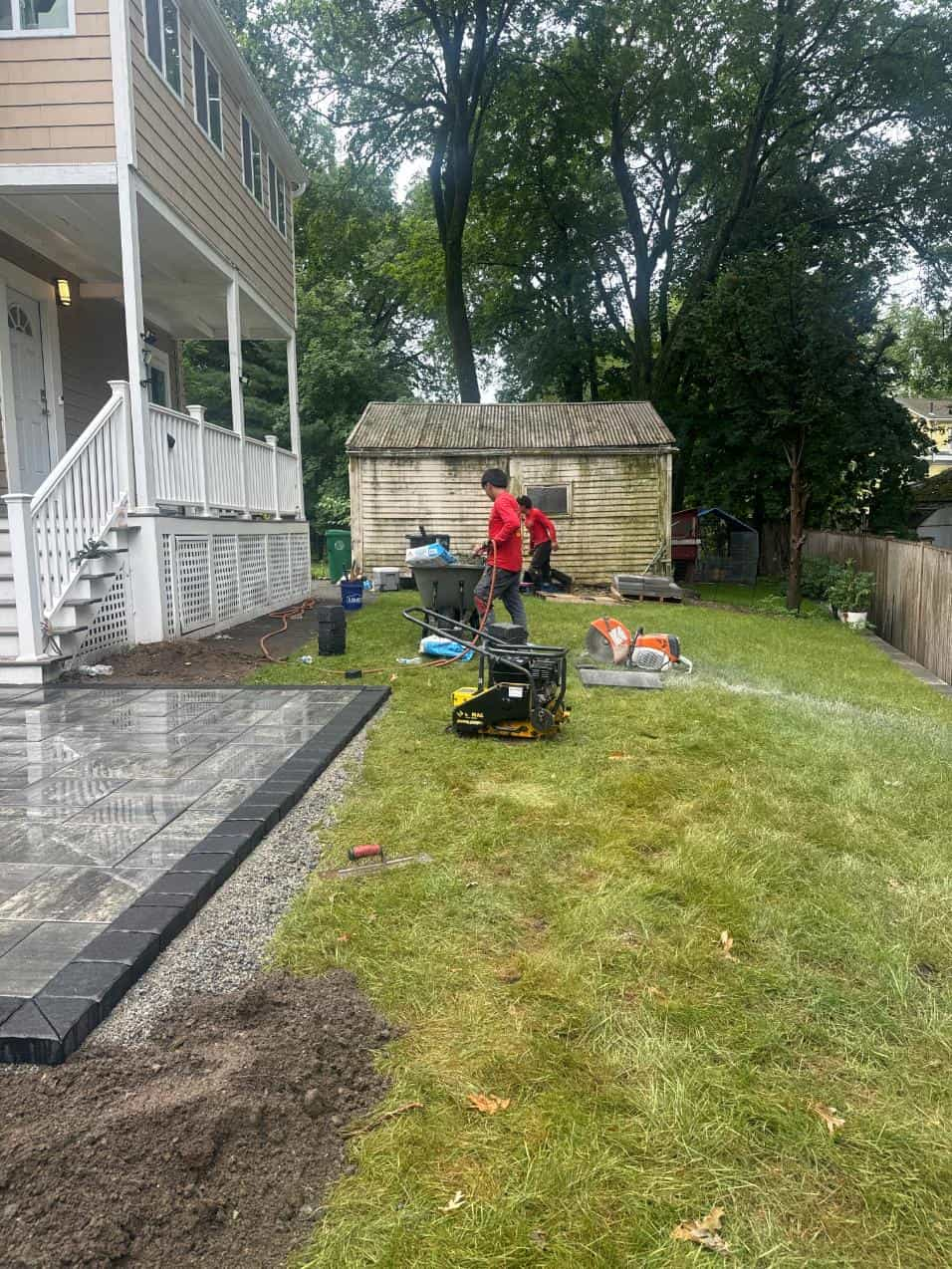

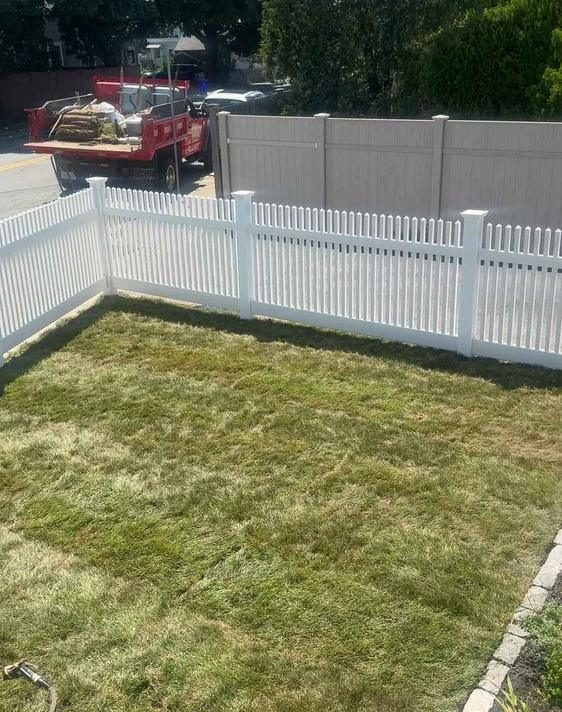
A white fence creates a clear visual boundary, which makes the planting and lawn area beside it an important part of the overall yard design. Landscaping beside a white fence can be simple and low-maintenance while still adding depth, color, and definition. The key is to plan the space so plants, lawn, fence access, and drainage can work together.
Why White Fences Need Thoughtful Landscaping
The bright surface of a white fence can make nearby greenery stand out. That can be helpful for creating contrast, but it also means uneven grass, crowded plants, or untidy borders can become more noticeable. A planned planting area can soften the fence line without making the space difficult to maintain.
Create a Clean Border Along the Fence
A defined edge between lawn and planting beds helps keep the fence line visually organized. The border can follow the fence while leaving enough room for mowing and routine maintenance. A clean transition also reduces the chance of grass gradually spreading into the planting area.
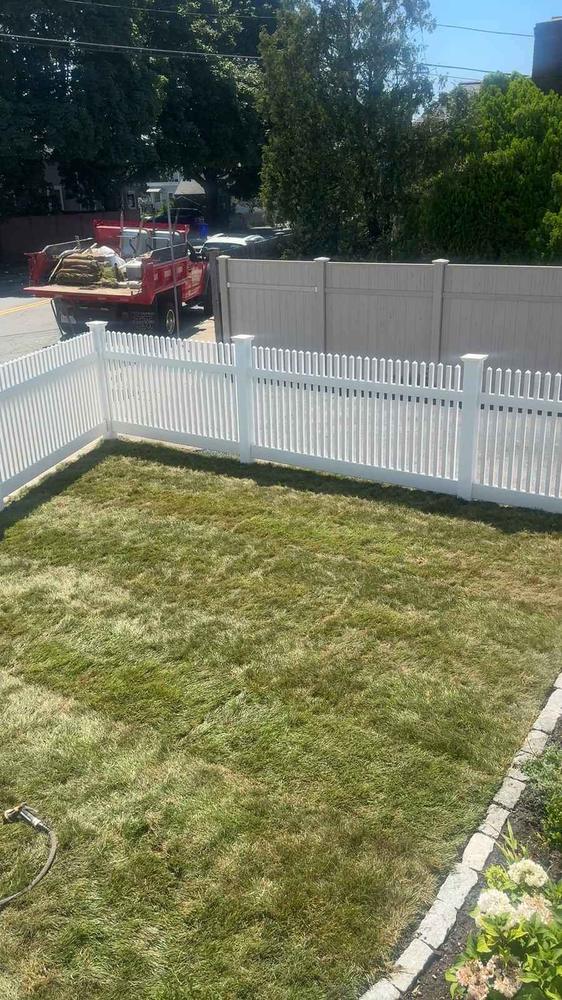
Grounds of Nature Landscaping And Tree Services can help plan outdoor areas as part of a broader landscaping project. A coordinated landscape design and installation approach can make the fence, lawn, planting beds, and walking areas feel like one connected space.
Choose Plants That Fit the Fence Line
Plant selection should match the available width, sunlight, drainage, and expected mature size. Smaller shrubs, ornamental plants, and ground-level plantings can create a layered look without overwhelming the fence. Avoid choosing plants only for their current size because rapid growth can quickly turn a narrow strip into a crowded bed.
Leave enough breathing room between plants and the fence so maintenance can be completed without damaging either. Access is especially useful when the fence needs cleaning, repairs, painting, or seasonal inspection.
Use Height Carefully Near a White Fence
Different plant heights can add visual depth, but tall growth should be placed thoughtfully. Medium-height plants can create a soft transition between the lawn and the fence, while lower plants can keep the base of the fence visible. The best arrangement depends on the width and shape of the yard.
In smaller residential yards, a simple planting rhythm often works better than filling every open section. Repeating a small number of suitable plants can create a cleaner appearance with less ongoing maintenance.
Keep Lawn and Planting Areas Separate
Grass that grows directly into a planting bed can make the border look uneven. Regular mowing combined with a defined edge can help maintain separation. Keeping the lawn surface level and the planting bed distinct also makes future maintenance easier.
Routine landscaping may include mulching, planting, cleanup, and lawn maintenance. Proper mulch installation can help create a finished look around selected plants while keeping the bed surface more organized.
Think About Drainage Near the Fence
Water should be able to move away from structures and low areas without creating constant saturation beside the fence. Before adding soil or plants, consider the existing grade and any locations where water tends to collect. Good drainage planning can help protect the planting area and reduce maintenance problems.
Low-Maintenance Ideas for Fence-Side Landscaping
Low-maintenance landscaping does not mean leaving the area empty. It means selecting plants and materials that match the space and are practical to maintain. A simple combination of lawn, defined planting beds, appropriately sized shrubs, and mulch can provide structure without creating an overly complicated maintenance routine.
Keep enough open space around gates, access points, and fence corners so equipment and people can move through the area comfortably.
Frequently Asked Questions About Landscaping Beside a White Fence
What plants work well beside a white fence?
Suitable plants depend on sunlight, soil, available space, and mature size. The best choices are plants that fit the area without crowding the fence or blocking needed access.
How far should plants be placed from a fence?
There is no single spacing rule for every plant. Allow enough room for the plant’s expected mature width plus maintenance access between the planting area and fence.
How can I stop grass from spreading into a fence-side planting bed?
A defined lawn edge and regular maintenance can help keep grass separated from the bed. The exact edging method depends on the landscape layout and materials already in place.
Is mulch a good option along a white fence?
Mulch can provide a finished surface in planting beds and help define the fence-side landscape. It should be installed at an appropriate depth and kept clear of structures and plant stems.