
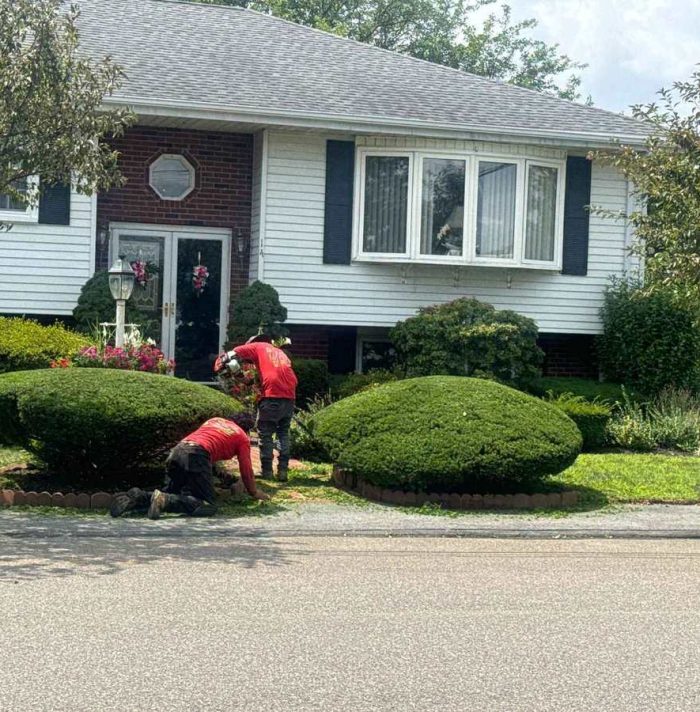
Foundation shrubs can make a front yard look polished when their size, shape, and placement work together with the home. Overgrown or uneven shrubs can block windows, crowd walkways, and make a carefully maintained landscape feel untidy. Foundation shrub shaping is a practical way to improve the appearance of planted areas while keeping routine yard care manageable.
Why Foundation Shrub Shaping Matters
Shrubs near a home often become the visual frame for doors, windows, steps, and other entry features. Regular shaping helps maintain a consistent outline and keeps individual plants from competing with each other. It can also make it easier to access the landscape bed for weeding, mulching, watering, and seasonal cleanup.
Good shaping is not simply about making every shrub the same size. The goal is to maintain a balanced form that fits the plant and the available space. A professional approach considers the natural growth habit of each shrub instead of forcing every plant into an identical shape.
How to Shape Foundation Shrubs Without Overcutting
Start by removing branches that are clearly dead, damaged, crossing, or growing into unwanted areas. From there, work gradually around the outer growth rather than taking off large amounts at once. Small, controlled cuts are easier to evaluate and help preserve a natural appearance.
Plants near entrances and windows may need a little more clearance than shrubs in open lawn areas. Keeping sightlines open can help a front entrance feel more welcoming, while maintaining space around windows can reduce visual crowding. The exact amount of clearance depends on the plant, the home, and the landscape layout.
Keep Shrub Shapes Consistent With the Front Yard
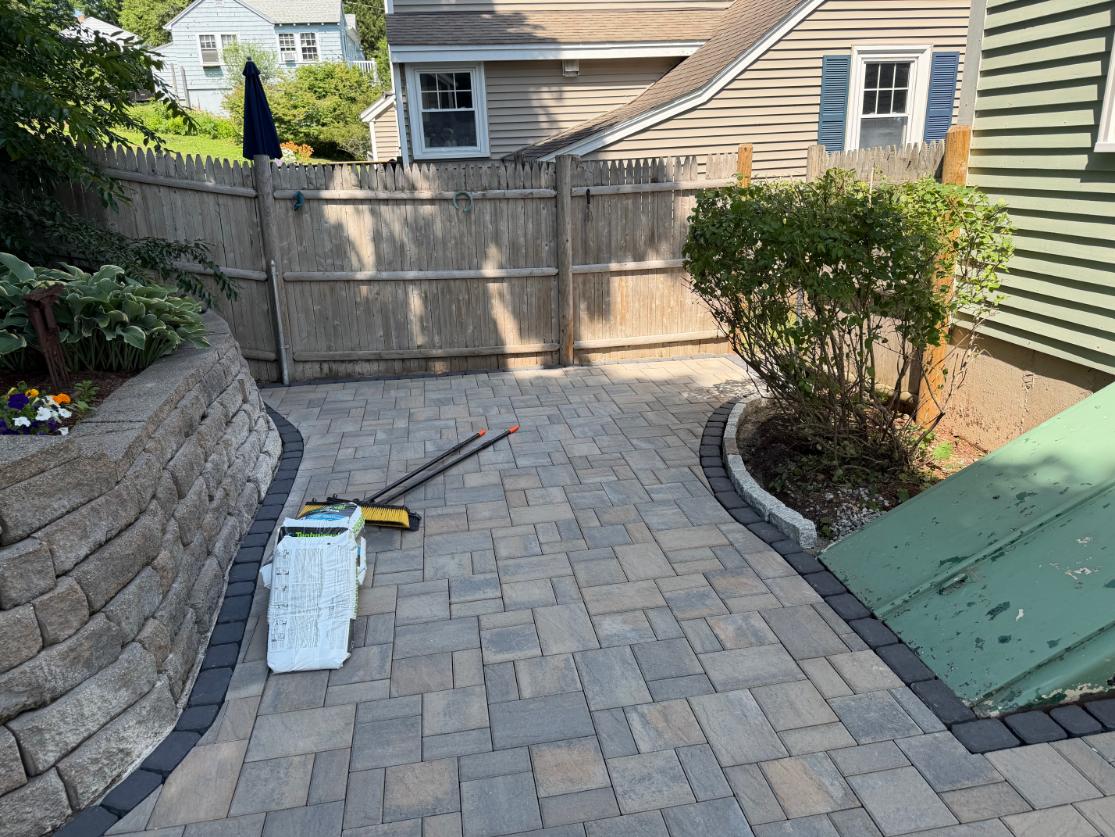
A well-shaped shrub group should support the entire landscape instead of looking disconnected from it. Consider the line of the foundation, the width of the planting bed, nearby lawn edges, and the location of walkways. Balanced spacing can make the yard feel larger and more organized.
For a complete outdoor plan, Grounds of Nature Landscaping And Tree Services can help coordinate planting areas with broader landscape improvements. Professional landscape design and installation can also help connect shrub placement with beds, lawn areas, and other outdoor features.
When Foundation Shrubs Need More Than Trimming
Some shrubs are not simply overgrown; they may be poorly positioned for the space or have developed uneven growth after years of inconsistent maintenance. In those situations, repeated trimming may not solve the underlying issue. A landscape assessment can help determine whether reshaping, selective removal, replacement planting, or bed redesign is the better solution.
Planting beds also stay easier to manage when the surrounding ground is kept organized. Regular lawn care and careful separation between grass and planted areas can reduce encroachment and make the front yard look more defined.
Seasonal Considerations for Massachusetts Landscapes
Massachusetts landscapes experience changing temperatures and seasonal growth cycles. Shrub shaping should therefore be planned around plant type and growth habits rather than following one identical schedule for every plant. A thoughtful maintenance plan can keep shrubs from becoming excessively dense while allowing appropriate seasonal growth.
After shaping, the surrounding bed may also benefit from routine maintenance such as cleanup, mulch replacement, or selective planting. The goal is a landscape that remains attractive without requiring constant corrective work.
Benefits of Professional Foundation Shrub Shaping
Professional maintenance can provide a more consistent result when several shrubs need to be shaped together. An experienced crew can evaluate the overall balance of the planting area, work around walkways and landscape features, and keep the final appearance consistent across the front yard.
Grounds of Nature also provides landscaping services that can support ongoing outdoor maintenance and larger landscape improvements.
Frequently Asked Questions About Foundation Shrub Shaping
How often should foundation shrubs be shaped?
The ideal schedule depends on the shrub species, growth rate, desired form, and location. Fast-growing shrubs may need attention more often than slow-growing varieties.
Should all foundation shrubs be trimmed into the same shape?
Not necessarily. A consistent overall appearance is useful, but each shrub should still be shaped according to its natural growth habit and the space available around the home.
Can shrub shaping improve front-yard curb appeal?
Yes. Better-defined shrub forms can make entry areas look cleaner and more balanced, especially when the planting beds, lawn, and walkways are maintained together.
What should be removed before shaping a shrub?
Start with dead, damaged, crossing, or clearly unwanted growth. Removing problem branches first makes it easier to evaluate the plant before making additional shaping cuts.