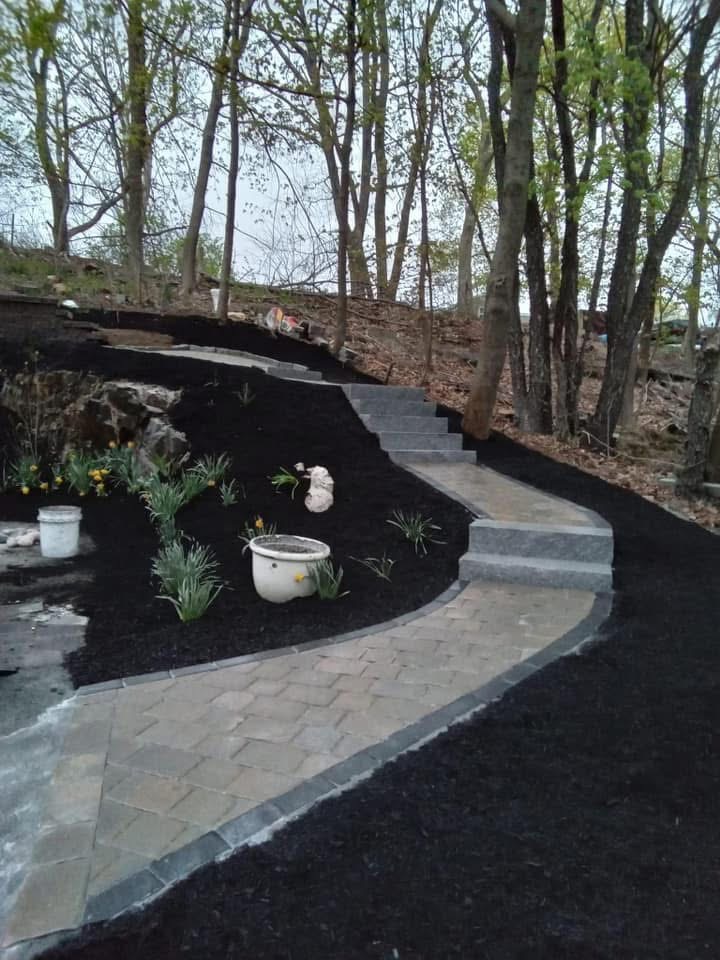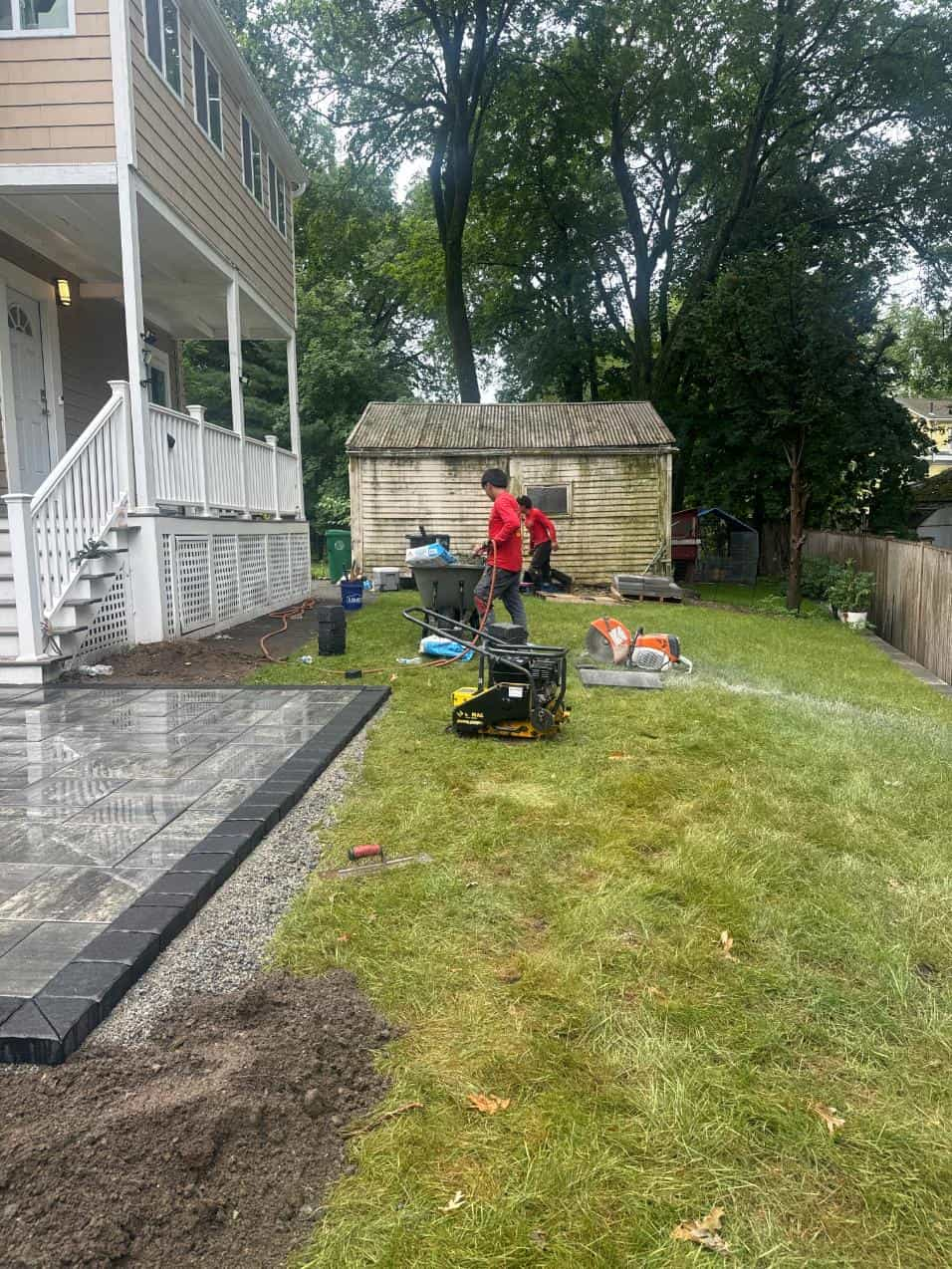

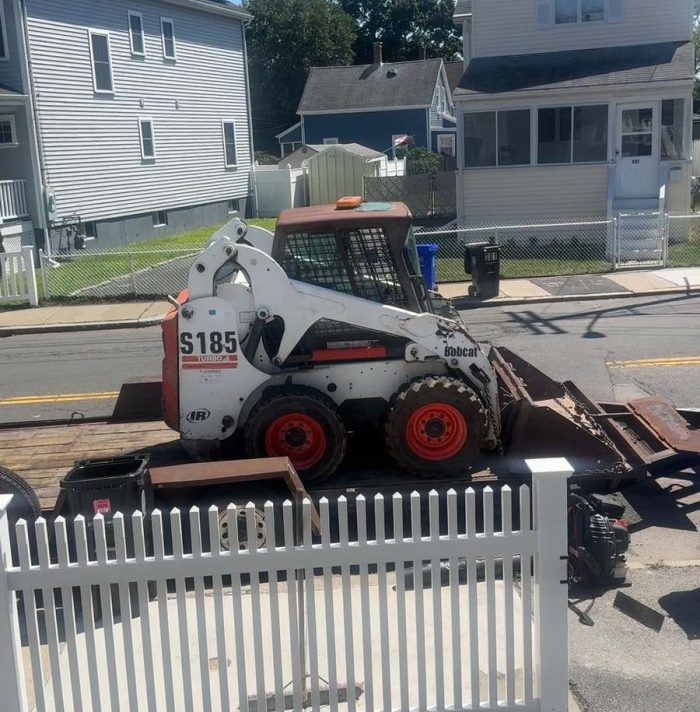
Installing a new paver walkway can improve access around a home, but construction also affects the soil and landscape areas next to the work zone. Protecting landscape beds during paver walkway installation helps reduce avoidable damage to plants, lawn edges, and finished planting areas. Careful planning before the work begins can make cleanup and final landscaping much easier.
Why Landscape Protection Matters During Walkway Work
Paver installation usually requires excavation, material delivery, base preparation, placement, and finishing. These activities can create temporary traffic through the yard. Without a defined work area, soil may become compacted, plants may be disturbed, and finished landscape edges can be damaged.
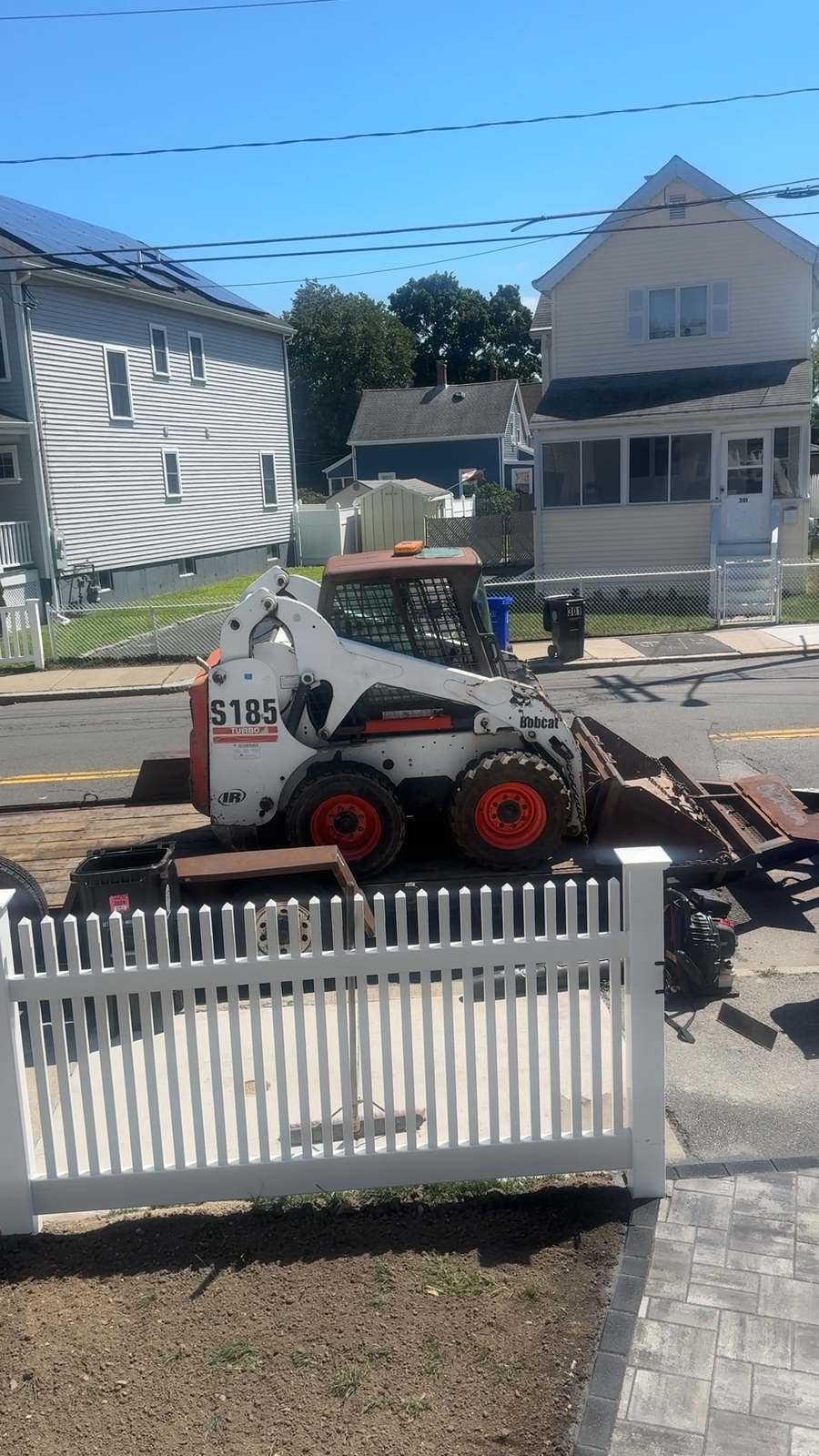
Protection is especially important when a walkway runs close to existing planting beds, foundations, fences, or lawn areas. The closer the construction stays to finished landscape features, the more important access planning becomes.
Define the Work Zone Before Installation
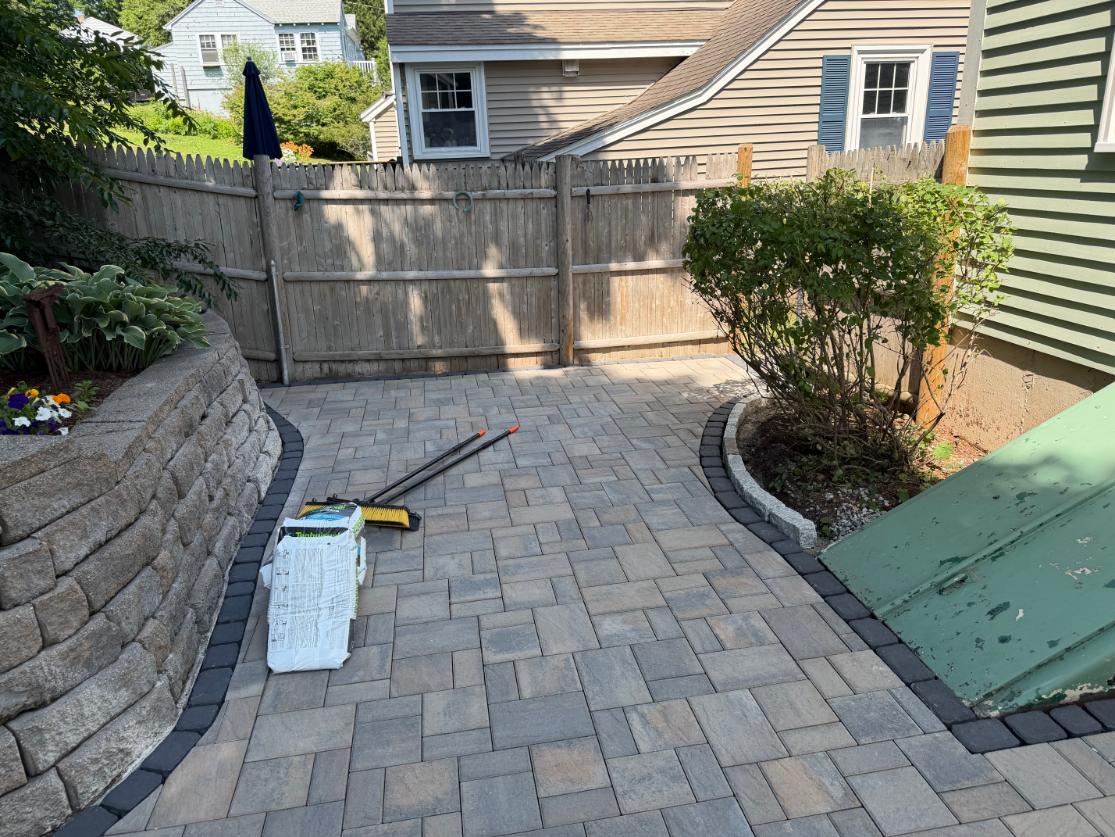
A clear work zone gives the crew a predictable path for moving tools and materials. Marking the walkway footprint and identifying nearby planting beds can help reduce unnecessary movement across finished areas. Where possible, keep equipment and stored materials inside the planned construction zone.
For larger projects, a professional walkway installation service can coordinate excavation and installation while considering the relationship between the walkway and surrounding landscape.
Protect Plants Near the Paver Walkway
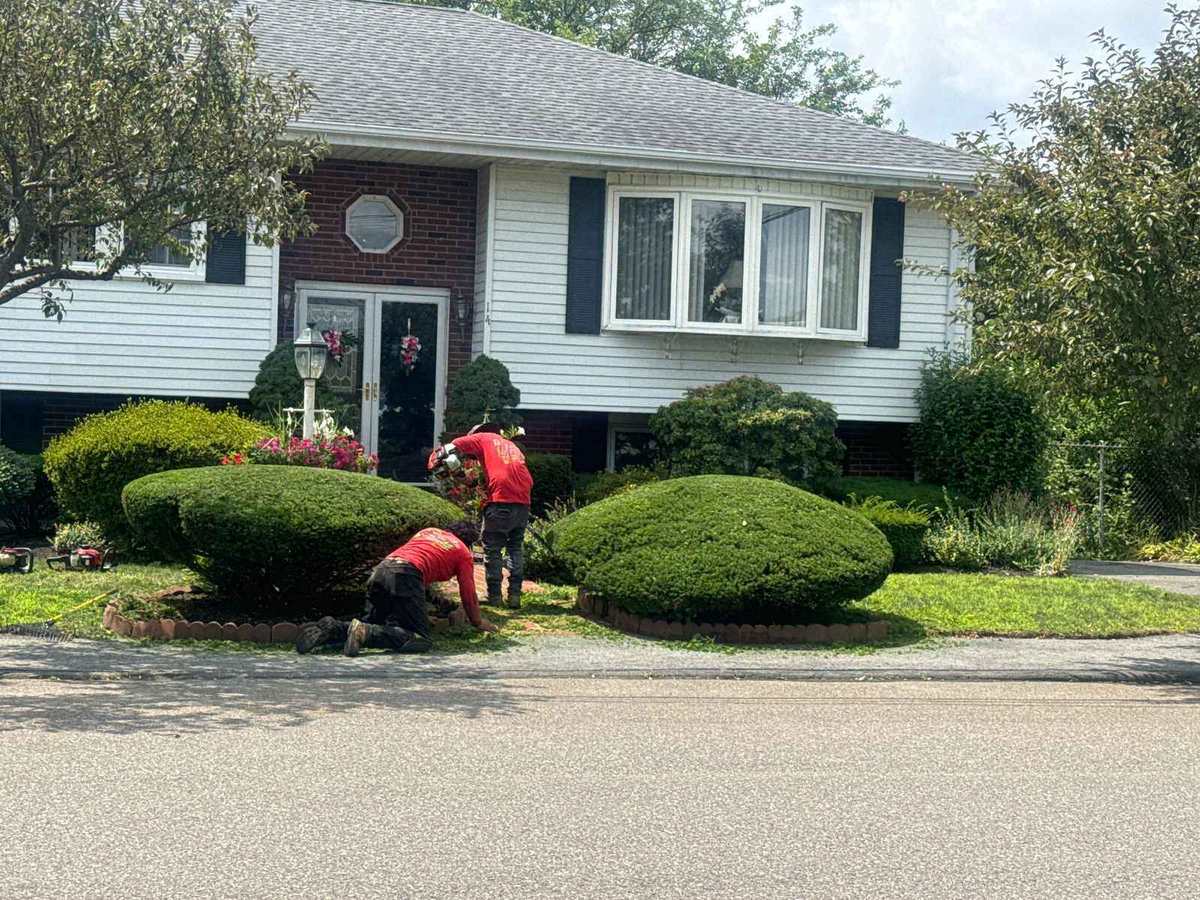
Existing plants close to the work area may need temporary protection, relocation, or extra clearance. Branches and foliage should not be used as a route for carrying materials. Avoid stacking pavers, soil, or tools directly against shrubs and other plantings.
If a plant is too close to the construction zone to remain safely in place, moving it before heavy work begins may reduce the risk of root and canopy damage. Any relocation should account for the plant’s size, soil conditions, and the project schedule.
Reduce Soil Compaction in Finished Landscape Areas
Repeated foot traffic and heavy equipment can compact soil and reduce the open pore space needed for healthy root growth. Keeping construction traffic on designated paths can help limit unnecessary compaction.
After the walkway is installed, affected areas may need the soil loosened, regraded, or supplemented before plants or lawn are restored. The exact treatment depends on the condition of the soil and the surrounding landscape.
Coordinate Walkway Edges With Landscaping
A walkway usually looks more finished when its edges transition cleanly into lawn or planting beds. During installation, pay attention to edge alignment, grade, drainage, and the amount of planting space left beside the pavers.
Grounds of Nature Landscaping And Tree Services can coordinate hardscape and planting work through broader landscaping services. Where a project includes multiple outdoor elements, planning the hardscape and planting areas together can help create a more cohesive result.
Plan for Final Cleanup and Landscape Restoration
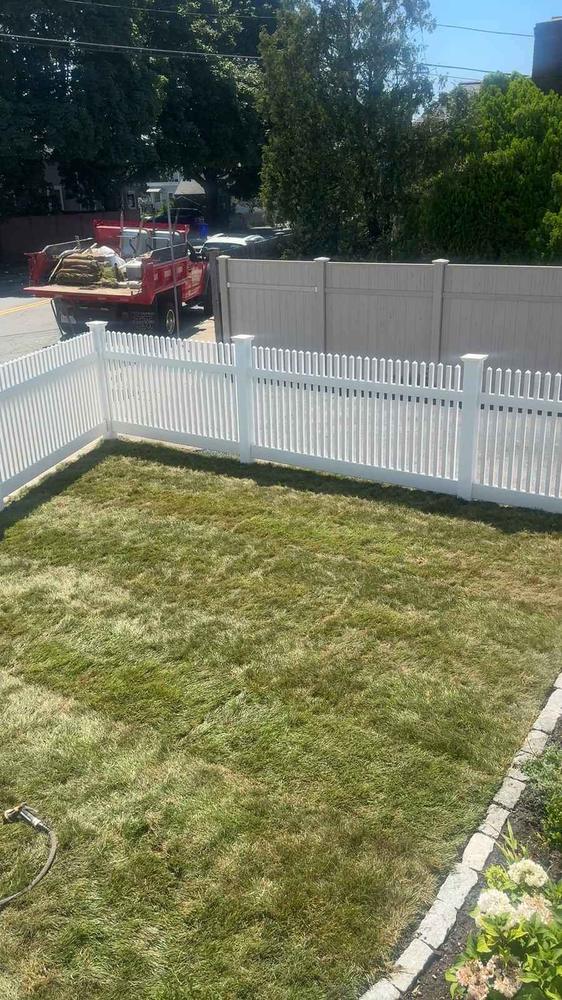
Once the pavers are installed, the surrounding landscape may need cleanup and restoration. Remove construction debris, redistribute displaced soil, and inspect lawn and planting-bed edges for damage. Plants that were temporarily protected can then be checked and returned to normal maintenance.
For properties with larger changes, finishing the surrounding landscape at the same time can help the new walkway feel integrated instead of looking like an isolated addition.
Massachusetts Considerations for Outdoor Installation
Massachusetts properties can include compacted soils, sloped yards, established plantings, and changing seasonal conditions. A site-specific plan is important because the correct preparation and protection methods depend on the actual property rather than one universal installation approach.
Before installation, review drainage, access, mature plant size, and the relationship between the walkway and nearby landscape features. These factors can reduce conflicts during construction and make future maintenance easier.
Frequently Asked Questions About Protecting Landscape Beds During Paver Walkway Installation
Can existing plants stay in place during paver walkway installation?
Sometimes they can, especially when adequate clearance and protection are available. Plants that sit inside the excavation or heavy-traffic zone may need to be moved or replaced.
How can soil compaction be reduced during walkway construction?
Use a defined work zone, limit unnecessary equipment traffic, and keep stored materials off finished landscape areas whenever practical.
Should landscaping be completed before or after the paver walkway?
It depends on the project. Existing landscape areas may need protection before walkway work, while final grading, planting, or restoration is often completed after the hardscape installation is finished.
Why should walkway edges be planned with landscaping?
Edge planning helps maintain clean transitions, supports drainage, and leaves enough room for lawn or planting beds without creating difficult maintenance conditions.
Can a new walkway damage nearby lawn areas?
Construction traffic and material movement can disturb lawn areas. Careful site planning and post-installation restoration can reduce the impact and help the lawn recover.