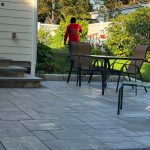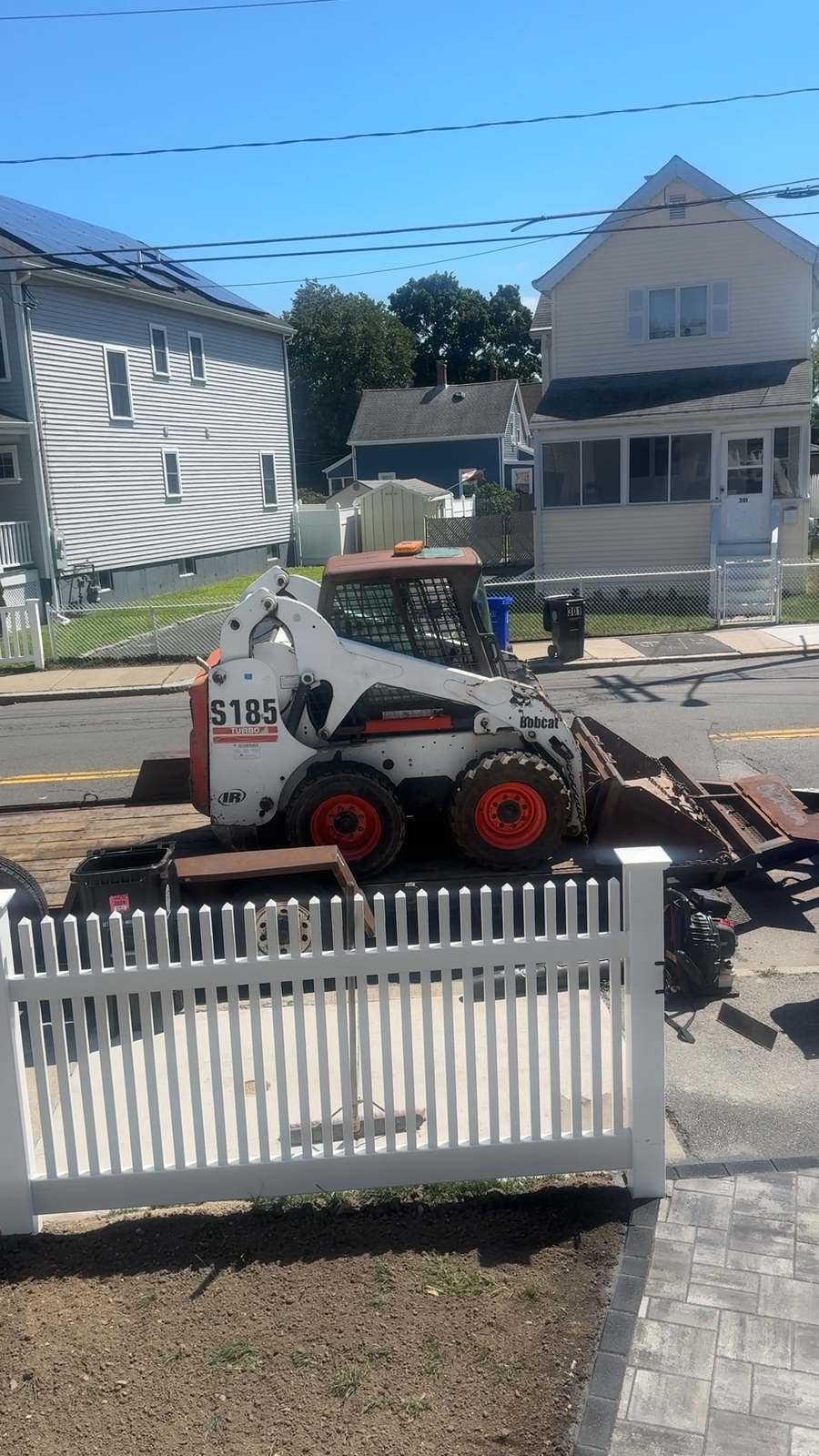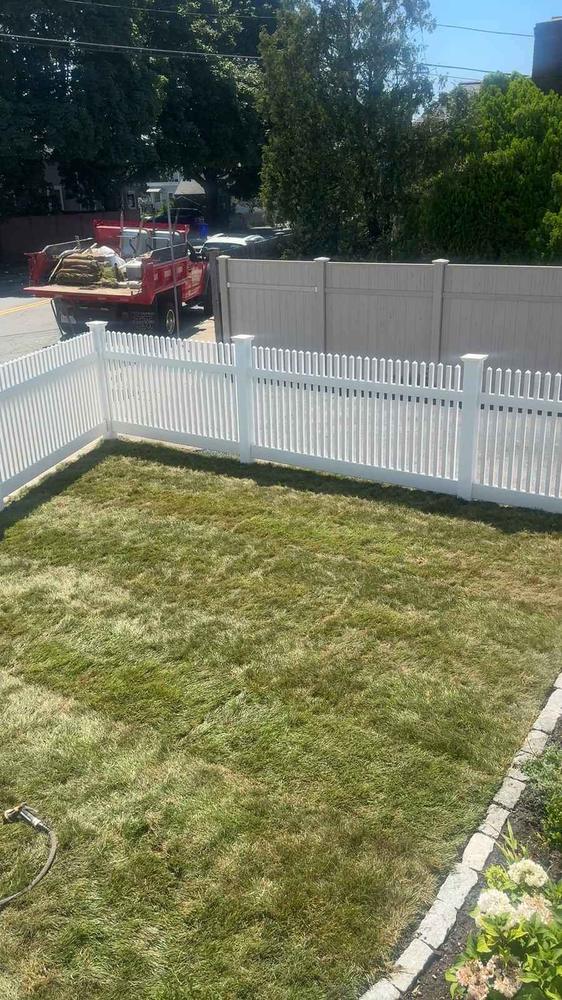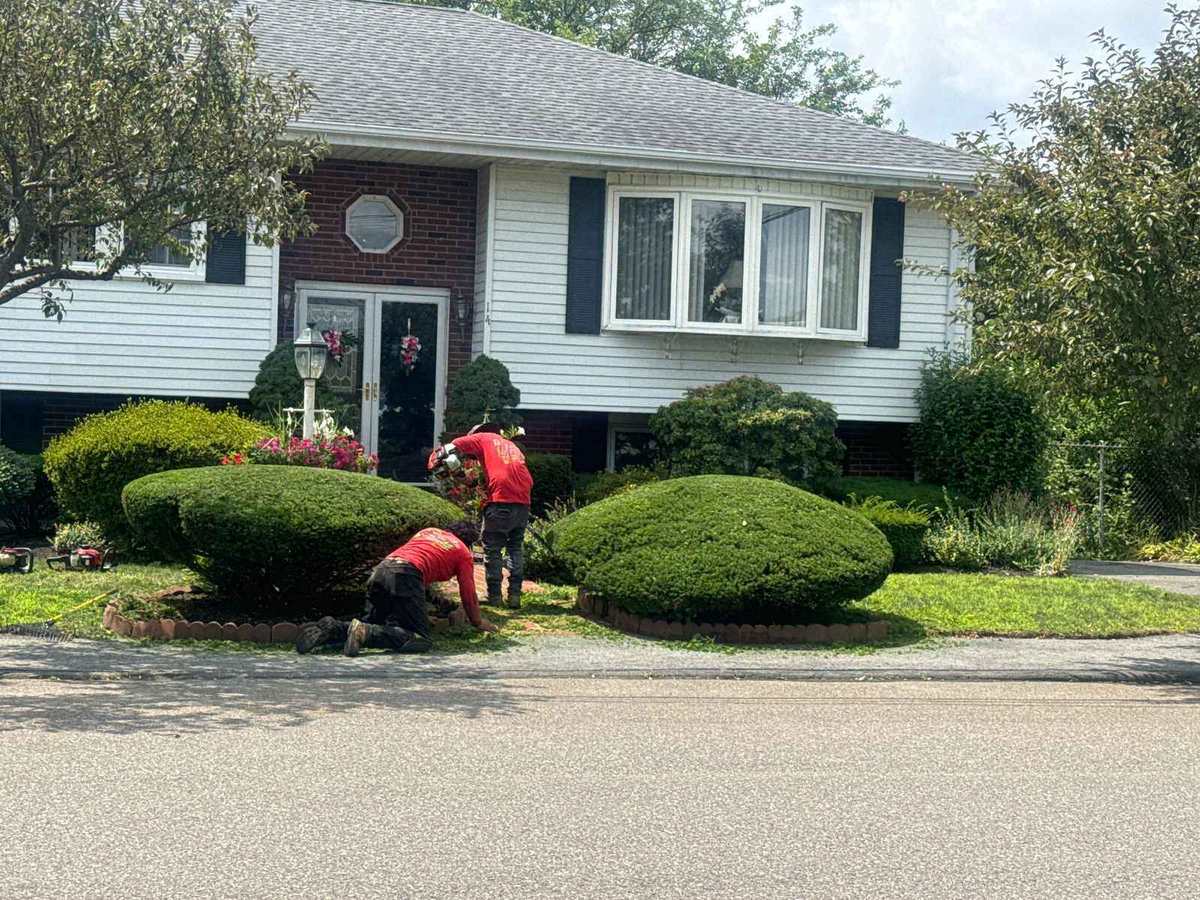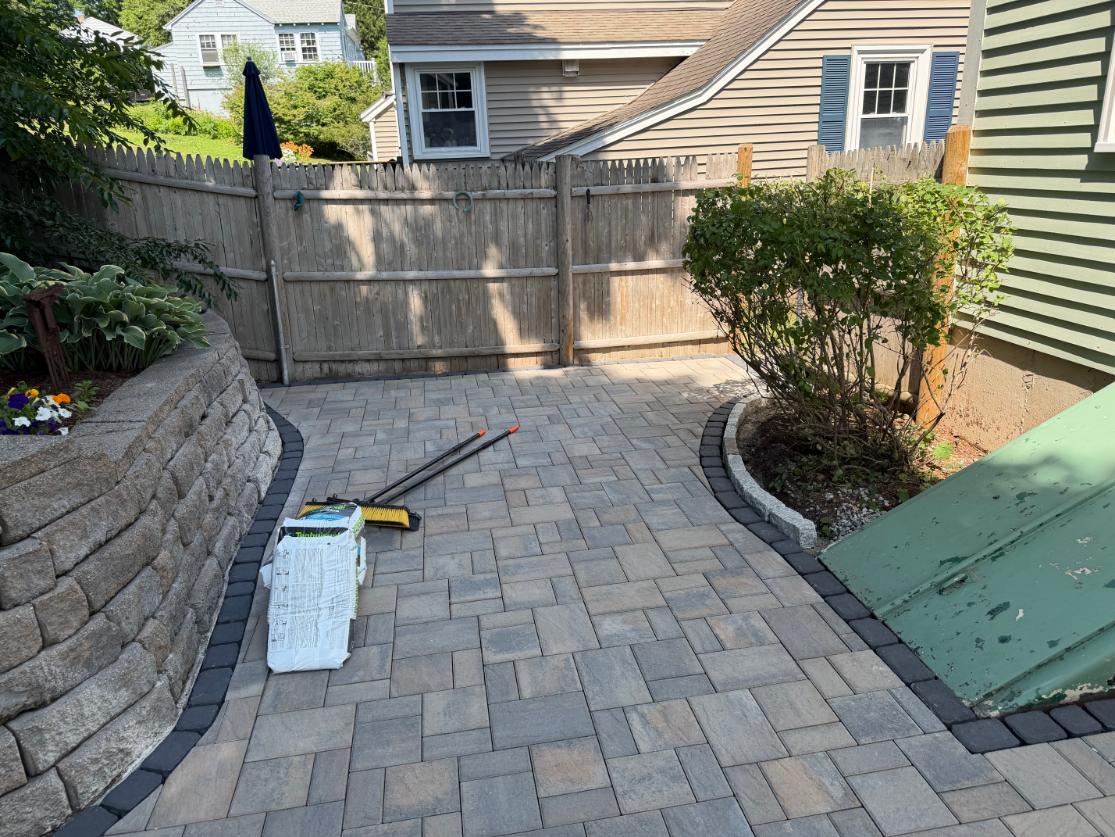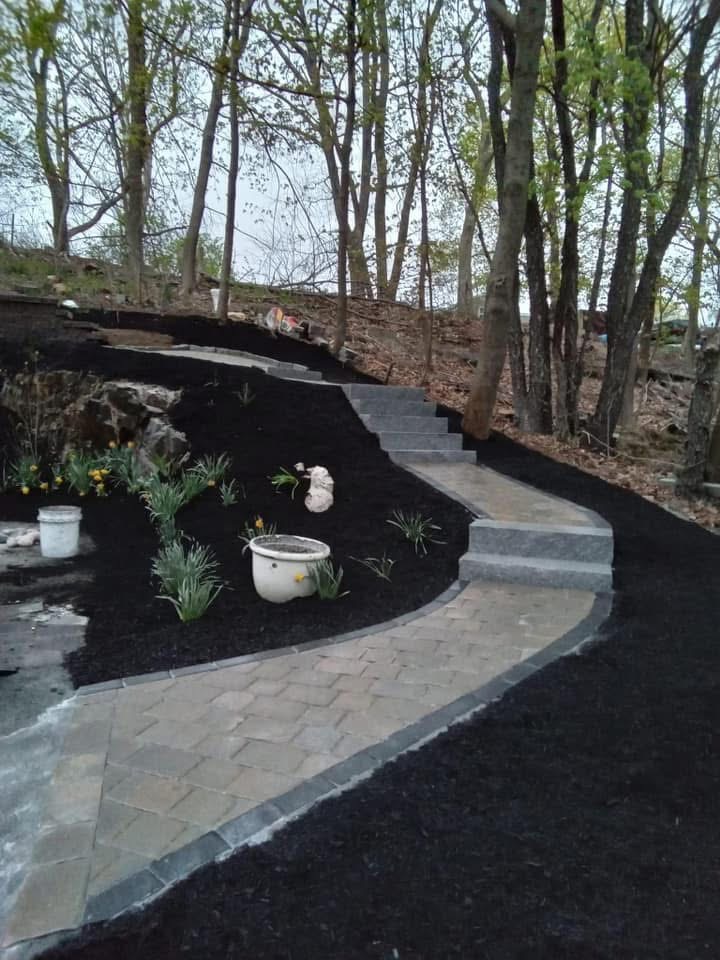
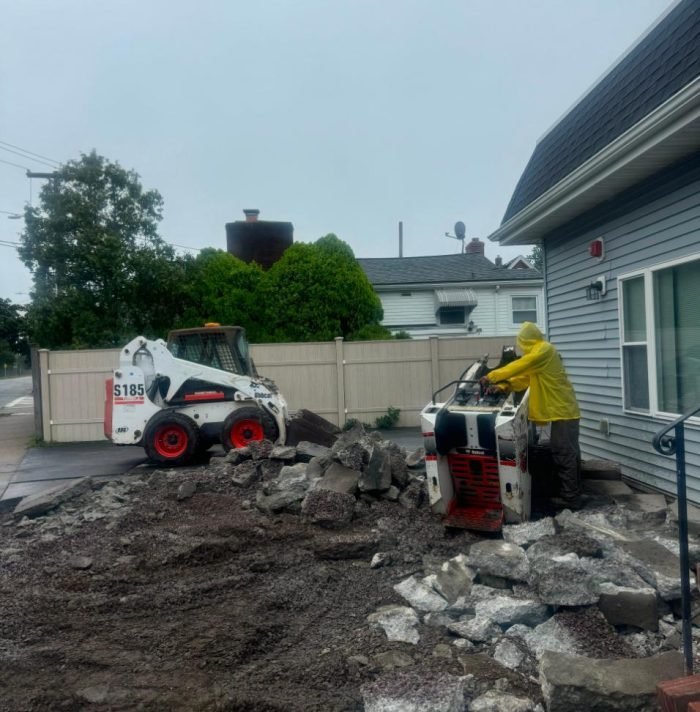
A successful walkway replacement starts with careful site preparation. Removing old concrete is only one part of creating a stable and functional outdoor pathway.
Cracked concrete, uneven surfaces, and poor water drainage can make an existing walkway difficult to use. When these problems continue to affect your outdoor space, removing the old surface may be the first step toward a new pathway.
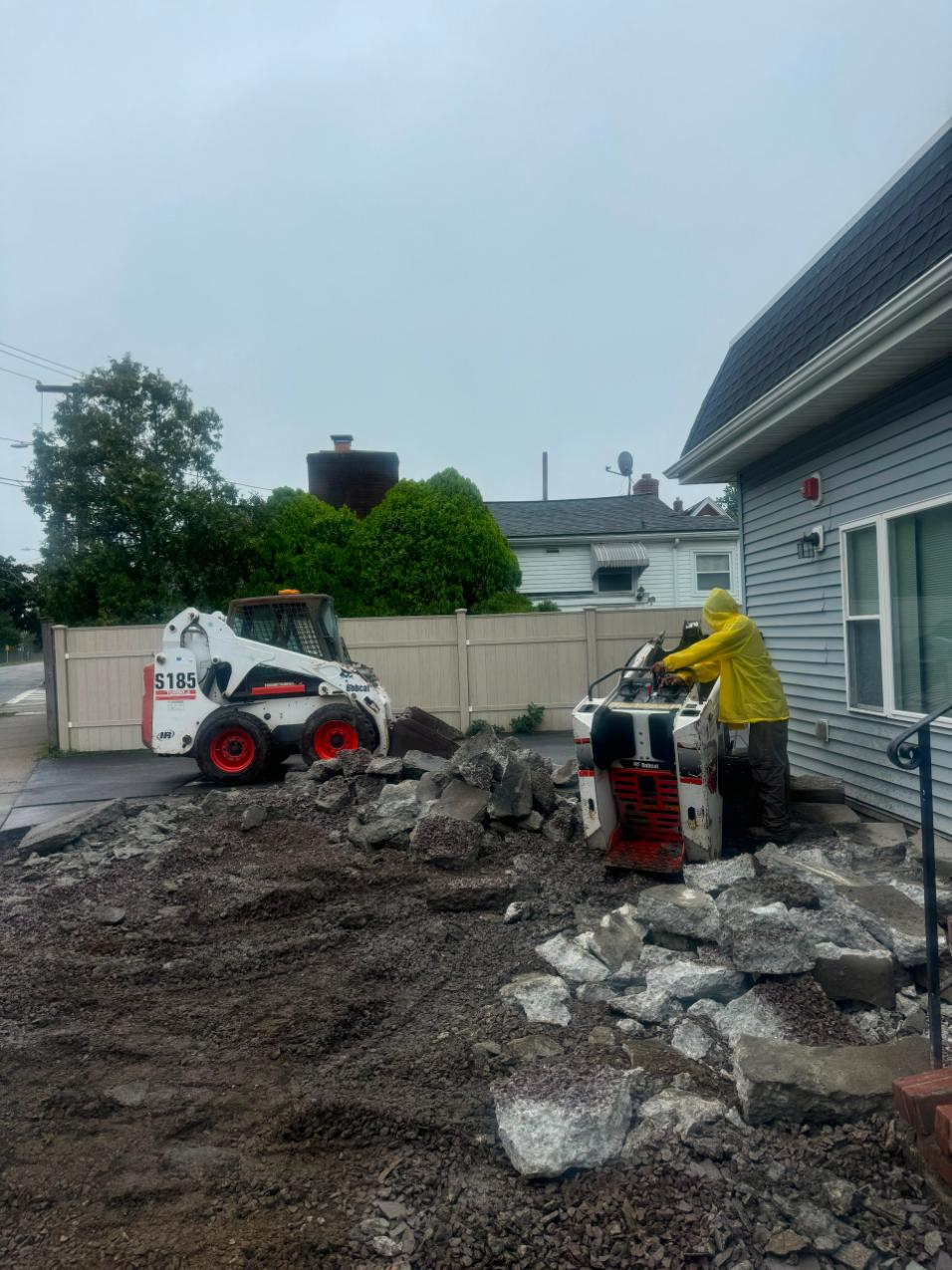
Before starting concrete walkway removal, Massachusetts property owners should consider the surrounding landscape, equipment access, drainage, and the condition of the ground beneath the existing concrete.
Grounds of Nature Landscaping And Tree Services provides outdoor property solutions, including landscaping and hardscaping services for residential properties.
1. Identify the Problems With the Existing Walkway
Before removing concrete, evaluate why the current pathway needs replacement. Different surface problems can point to different preparation requirements.
Common signs to inspect:
- Large cracks across the concrete surface.
- Uneven sections that create tripping concerns.
- Low areas where rainwater collects.
- Edges that have shifted or broken.
- Sections that no longer provide a comfortable walking surface.
2. Prepare the Surrounding Property
Concrete removal can involve heavy equipment, broken materials, and repeated movement through the work area. Preparing the surrounding property helps reduce unnecessary disruption.
Before work begins, consider:
- Nearby landscaping: Identify garden beds, grass, shrubs, and other areas that need protection.
- House access: Keep necessary entrances and walking routes in mind.
- Equipment access: Check whether the work area provides enough room for the equipment needed.
- Utility locations: Arrange appropriate utility marking before excavation or digging.
- Debris management: Plan where removed concrete will be collected and transported.
3. Check the Walkway’s Drainage Direction
Drainage should be considered before installing a replacement walkway. A pathway that directs rainwater toward the house can contribute to water collecting near the foundation.
Check the existing ground level and notice where rainwater travels. The replacement surface should be planned to direct water away from the house and toward an appropriate drainage area.
When the surrounding property has limited space or an existing drainage problem, the installation plan may need additional grading or drainage measures.
4. Prepare a Stable Base for the New Walkway
After the existing concrete has been removed, the condition of the underlying ground becomes important. Loose soil, unsuitable base material, or poorly compacted areas can contribute to movement in the new surface.
A properly planned replacement project should consider:
- Removing unsuitable or loose material.
- Checking the soil and existing base condition.
- Establishing the correct finished elevation.
- Preparing and compacting an appropriate base.
- Planning suitable edge support for the selected surface material.
For a new pathway project, explore our walkway services and hardscaping solutions.
5. Choose the Right Replacement Surface
Once the removal and site preparation plans are established, consider which surface will work best for the property.
Concrete, brick pavers, and other hardscape materials can provide different appearances and maintenance requirements. The choice should account for the pathway’s width, surrounding landscape, expected use, and available space.
Planning a Walkway Replacement?
Grounds of Nature Landscaping And Tree Services can help you explore outdoor improvement options for your property. Proper planning makes it easier to coordinate demolition, site preparation, and the next phase of a hardscaping project.
Frequently Asked Questions
1. When should an old concrete walkway be removed?
Removal may be appropriate when the walkway has extensive cracking, uneven sections, significant settlement, or recurring surface problems that cannot be addressed with minor repairs.
2. What happens after concrete walkway removal?
The exposed ground and base are assessed, unsuitable material is addressed, and the area is prepared for the selected replacement surface.
3. Does walkway replacement require drainage planning?
Yes. The finished walkway should be planned with appropriate grading so rainwater does not collect against the house or create unwanted runoff across the property.
Grounds of Nature Landscaping And Tree Services
Learn more about our outdoor improvement services at Grounds of Nature Landscaping And Tree Services.