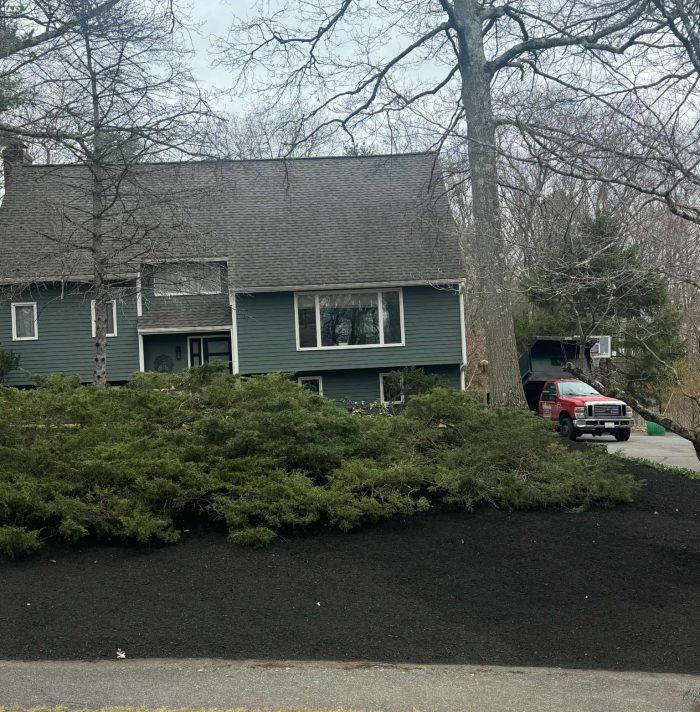
Keeping your lawn healthy and green throughout the year requires more than occasional watering and mowing. A beautiful yard improves curb appeal, supports healthier outdoor living, and increases property value over time. Many homeowners struggle with patchy grass, weeds, poor drainage, and thinning lawns because they miss the basic lawn maintenance practices that make the biggest difference. At Grounds of Nature Landscaping Inc., homeowners often ask how they can maintain a lush yard without spending a fortune every season. The answer starts with consistent Lawn Care practices and proper seasonal planning.
A greener lawn does not happen overnight. Healthy grass needs balanced nutrients, proper soil conditions, smart watering habits, and routine maintenance. Whether you want to improve your backyard appearance or create a more welcoming front yard, following the right lawn care strategy can transform your outdoor space into a healthier and more attractive environment.
Start with Healthy Soil Conditions
One of the biggest gaps found in many lawn care guides is the lack of focus on soil health. Grass cannot thrive if the soil underneath is compacted or lacking nutrients. Before applying fertilizer or installing new grass, it is important to test the soil to understand its pH level and nutrient condition. Healthy soil allows deeper root growth and better water absorption.
Adding compost or organic material can improve soil quality naturally. Aerating your lawn once or twice a year also helps reduce soil compaction and improves airflow beneath the grass surface. Homeowners planning a complete yard upgrade often combine lawn improvement with professional Landscape Design And Installation services to create better drainage and healthier growing conditions.
Water Your Lawn the Right Way
Many people overwater their lawns without realizing the damage it can cause. Too much water weakens roots and encourages fungus growth, while too little water causes brown spots and dry patches. Deep watering early in the morning is one of the most effective ways to maintain a healthy lawn.
A lawn generally needs around one inch of water per week depending on weather conditions. Watering deeply but less frequently encourages roots to grow stronger and reach deeper into the soil. Installing proper irrigation systems during a Landscaping project can help homeowners maintain consistent moisture levels while reducing water waste.
Mow Smarter for Stronger Grass
Proper mowing techniques play a major role in lawn health. Cutting grass too short can stress the lawn and expose soil to excessive sunlight, causing weeds to spread faster. Taller grass creates shade for the soil, helping retain moisture and prevent weed growth naturally.
Experts recommend never removing more than one third of the grass height during mowing. Keeping mower blades sharp is equally important because dull blades tear grass instead of cutting it cleanly. Torn grass becomes vulnerable to disease and discoloration.
Different grass types require different mowing heights, which is why understanding your lawn variety can improve overall maintenance results. Combining mowing with seasonal Sod Installation can also help repair thinning or damaged lawn sections more effectively.
Fertilization Helps Grass Stay Green
A balanced fertilization schedule provides the nutrients lawns need for healthy growth and stronger resistance against weeds and disease. Nitrogen is especially important because it supports green color and dense grass development. However, overfertilizing can damage roots and pollute nearby water systems.
Organic fertilizers have become more popular because they improve soil health over time without harsh chemical buildup. Applying fertilizer during the active growing season helps maximize absorption and effectiveness. Spring and early fall are often the best times for lawn feeding depending on climate conditions.
The table below highlights some common lawn care practices and their benefits.
| Lawn Care Practice | Main Benefit | Recommended Frequency |
|---|---|---|
| Aeration | Improves soil airflow and root growth | 1 to 2 times yearly |
| Deep Watering | Encourages stronger roots | Weekly |
| Fertilization | Promotes greener and thicker grass | Seasonally |
| Mowing | Maintains lawn appearance and health | Weekly during growth season |
| Weed Control | Prevents nutrient competition | As needed |
Control Weeds Before They Spread
Weeds compete with grass for sunlight, nutrients, and water. One major mistake homeowners make is waiting too long before addressing weed growth. Healthy and thick grass naturally reduces weed problems because there is less open space for weeds to spread.
Applying pre emergent weed treatments during spring can stop many weeds before they germinate. Spot treating weeds instead of spraying the entire lawn also helps protect surrounding grass and plants. Proper mowing, fertilization, and watering remain the best long term weed prevention methods.
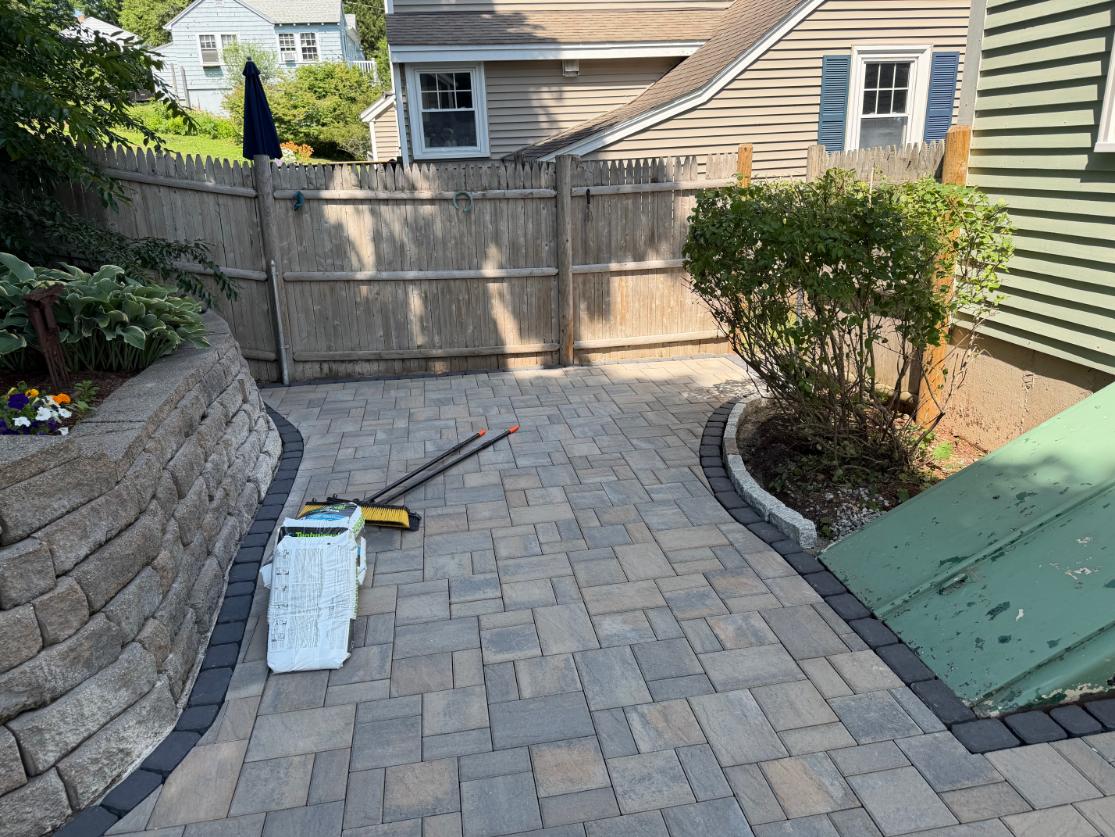
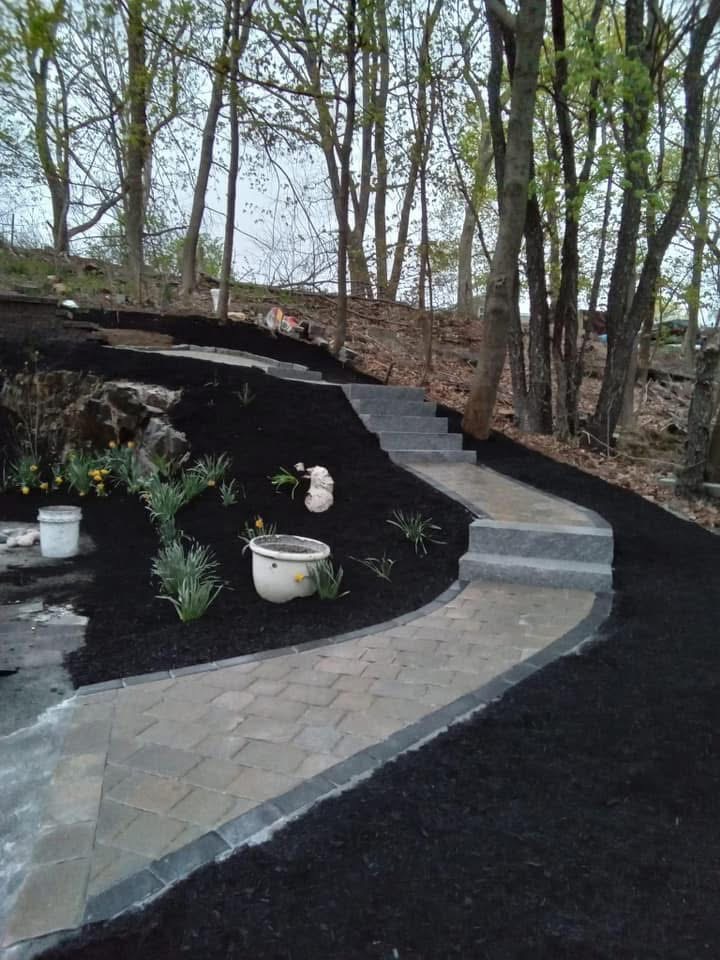
Homeowners investing in outdoor improvements often combine lawn upgrades with Hardscaping and Masonry features such as walkways, patios, and retaining walls to improve both appearance and functionality.
Seasonal Lawn Care Matters
Each season creates different challenges for maintaining healthy grass. Spring is ideal for fertilizing and overseeding, while summer requires careful watering and heat stress prevention. Fall is often the best season for aeration and root strengthening because cooler temperatures support healthier growth.
Winter preparation is equally important. Removing leaves, avoiding heavy foot traffic on frozen grass, and performing final seasonal mowing can protect your lawn until spring arrives again. Following a seasonal lawn maintenance routine helps reduce costly repairs and keeps your yard healthier year round.
Improve Curb Appeal with Professional Lawn Services
Many homeowners simply do not have enough time to maintain their lawns consistently. Professional lawn care services can help identify drainage issues, soil problems, pest damage, and weak grass areas before they become expensive problems. Grounds of Nature Landscaping Inc. provides customized lawn improvement solutions for homeowners looking to improve property appearance and outdoor functionality.
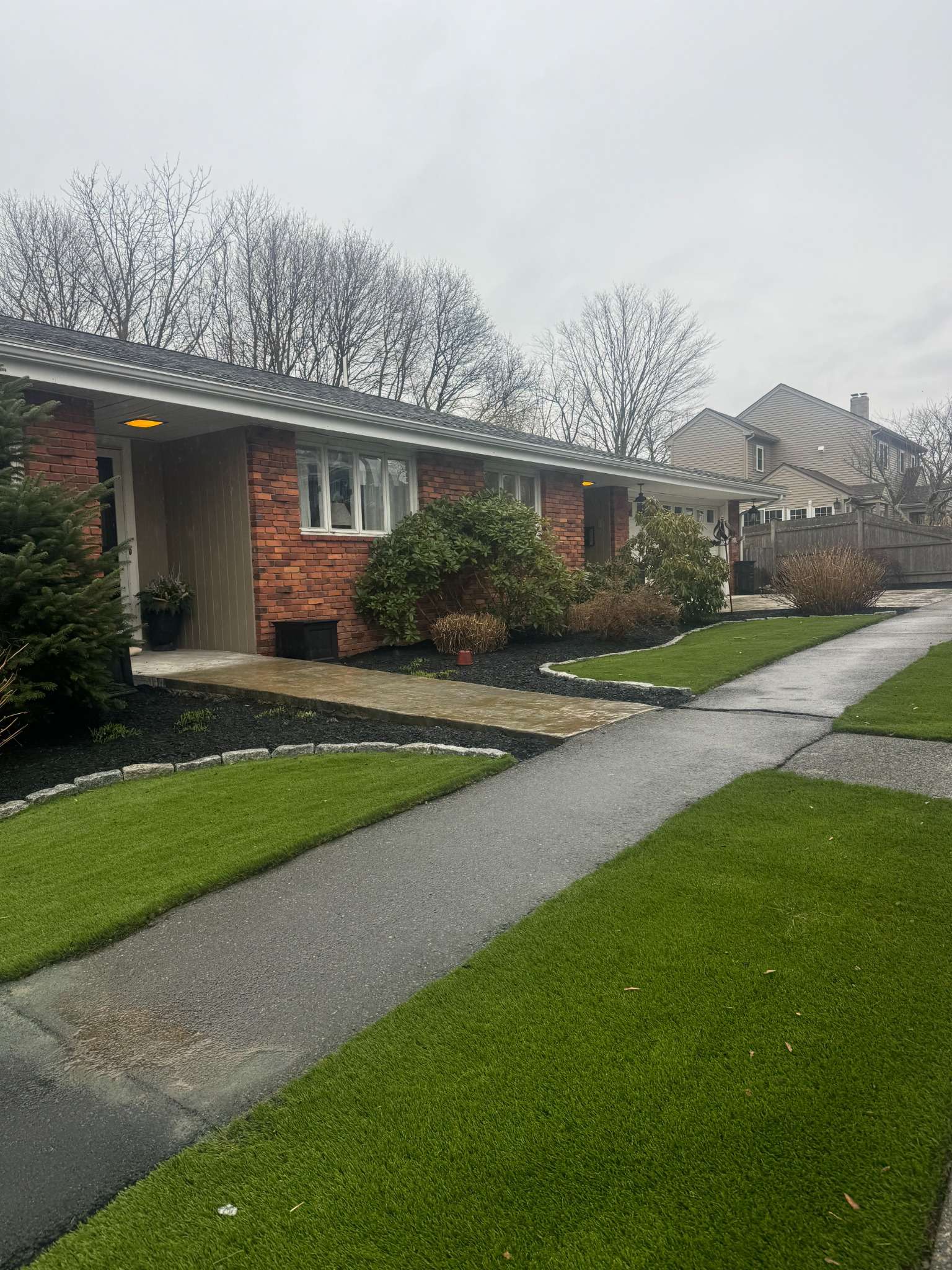
Combining routine lawn maintenance with professional Landscape Design And Installation services can create a cleaner, more organized outdoor space that improves both beauty and usability.
Frequently Asked Questions
How often should I water my lawn?
Most lawns need about one inch of water per week, including rainfall. Deep watering early in the morning is usually the best method.
What is the best height to mow grass?
Most lawns stay healthiest when grass is kept between 2.5 and 4 inches tall depending on the grass type.
When should I fertilize my lawn?
Spring and fall are generally the best seasons for fertilizing because grass actively absorbs nutrients during these periods.
Is aeration necessary every year?
Aeration is recommended once or twice yearly, especially for lawns with compacted soil or heavy foot traffic.
Can professional landscaping improve lawn health?
Yes. Professional Landscaping services can improve drainage, soil quality, irrigation, and overall lawn appearance.